Soma Parven
Are you worried about water saving? Ever wondered how much water it takes to make a pair of jeans? The textile industry plays a prominent role in the global economy, but it also has an adverse impact on the environment. The denim industry is an important sub-sector of the textile industry. It is at the top of the pyramid of water-consuming textiles, with a total volume of 2900 gallons (about 11,000 liters) consumed per pair of jeans. From growing cotton to dyeing it to laundering the finished product, blue jeans take a lot of water to make. In fact, a lot of water goes into growing cotton. It is also estimated that 20% of industrial water pollution is associated with garment production, and 85% of this is associated with the dyeing process amounting to 1.3 trillion gallons annually. In this step we will introduce you to the concept of water footprint and show why the concept is important.

Concept of Water Footprint
A water footprint is an environmental indicator that measures the total amount freshwater is used directly and indirectly to produce the goods and services we use. The concept of a water footprint, introduced in 2002 by Arjen Y. Hoekstra. It is a geographical indicator that shows the amount of water used or polluted by a group in a particular place. Its knowledge helps an organization to study water usage patterns and gauge the eco-friendly nature of its products to make appropriate improvements. It indicates water consumption and water pollution during Industrial processes.
Why is Water Footprint Important?
In today’s global economy, consumers are becoming more aware of how the products/services they purchase affect water security in other parts of the world. A water footprint is very important because, it by analyzing how much water there is, human use of freshwater resources describes, it explains where and how much water is being used, whether that amount of water source is sufficient or not. Clean water is essential to our daily lives, but its supply is limited, so it is important for organizations to measure their water footprint and take all necessary steps to keep it as low as possible.
Types of Water Footprints
There are three types of water footprints for calculating direct and indirect use: green, blue, and gray. Where the first two account for the total consumption, the last measure is the amount of freshwater contaminant.
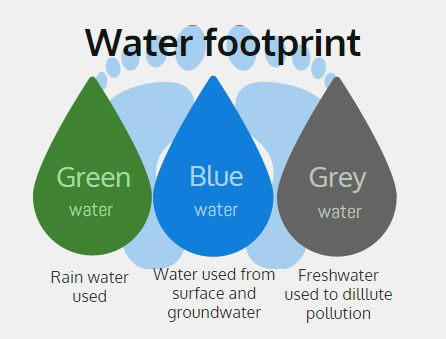
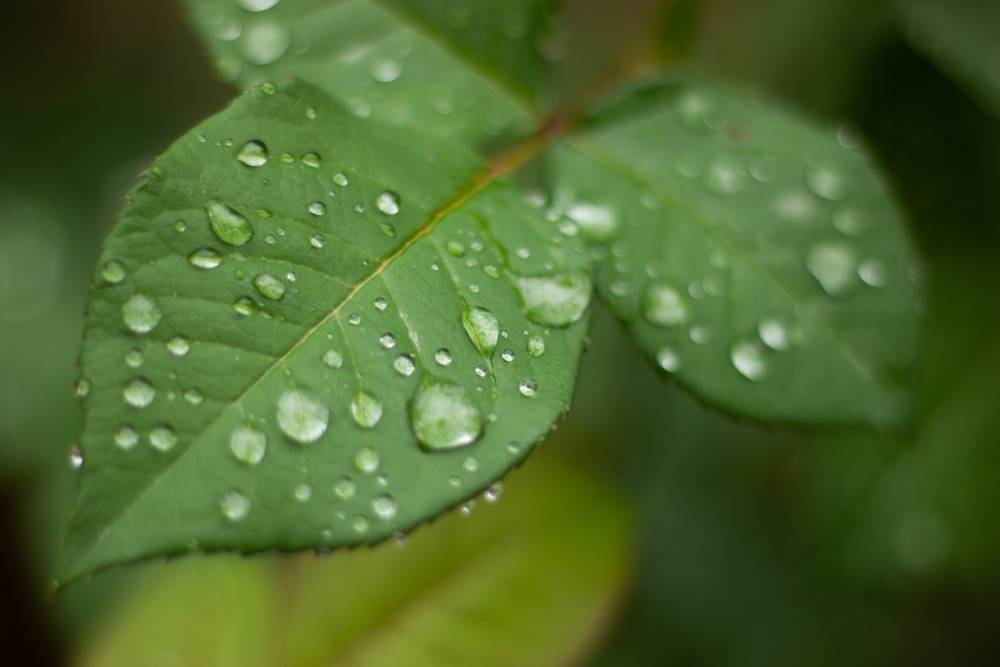
Green Water Footprint: A green water footprint is the volume of rainwater is consumed during the production process. This is the water that is stored on the soil or on vegetation such as water from rain or snow.
Blue Water Footprint: The blue water footprint refers to the amount of surface and groundwater used along the supply chain of goods or services used in agriculture, industry and domestic use. This water store in large masses, from groundwater sources, such as rivers, lakes and aquifers.
Grey Water Footprint: The grey water footprint of a product is an indicator of freshwater pollution that can be associated with the production of a product over its full supply chain.

Water Footprint of Denim Product
The water footprint of a denim product refers to the total amount of freshwater consumed directly and indirectly to produce that particular denim product, measured across the entire supply chain. Standard units of measurement are cubic meters of water per ton of production, or kilograms per liter, or gallons per pound. The water footprint of a pair of jeans refers to the total sum of the water footprint of each step. Every step has a direct water footprint and an indirect water footprint. Thus, the full amount the water footprint of water consumed or contaminated products is taken into account. Calculating the water footprint of the denim industry as a whole, which includes the entire product range is made from denim.
Water footprint assessment of Bangladesh
Bangladesh is one of the fastest growing economies in the world, primarily driven by its textile industry. Currently, the country stands as the second largest exporter of readymade garments (RMG) in the world. Textile sector is water intensive. The processing of raw materials in the textile industry consumes and pollutes a large amount of water.

The water footprint for cotton cultivation has been calculated by analyzing 11 major countries from which Bangladesh imports raw cotton, cotton yarn and cotton fabric. The analysis showed that the green, blue and gray water footprints per kg of RMG product were 6394, 6554 and 5091 liters respectively for knitted products and 4951, 4639 and 5036 liters respectively for woven products. The total water footprint of RMG cotton products in 2016 was found to be 27564 million m3 of which the domestic water footprint was 2755 million m3. From this analysis, the extent of water pollution and groundwater depletion caused by the textile industry during the last five years (2012-2016) can be estimated. This study will help to take necessary steps to reduce water consumption and pollution in textile operations.
How to Reduce Water Footprint in Textile Industry?
Nowadays, number of method has been developed to reduce water in textile industry. Some of these are discussed below:
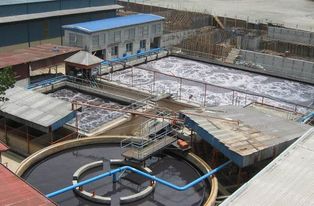
- Water reuse: Water reuse is the multiple use of process water and can be accomplished by using rinse water from one operation for makeup water in a second operation, e.g., mercerizing rinse water can be used for scouring, chlorine bleaching, or soaking.
- Reuse of dye liquors: The effectiveness of dye liquor reuse depends on the type of dye used and the shade required on the fabric or yarn and the sequence of operations involved. Given the right conditions, the dye liquor can be reused up to 10 times before the level of impurities in the next use is limited.
- Go for organic cotton: It is estimated that growing conventional cotton requires a lot of water. Whereas, organic cotton uses 91 percent less ‘blue’ water than conventional cotton.
- Find out where materials are extracted: Research is very important because knowing where the textiles are made requires knowing how much water-use impact it has. “The more you can learn about how and where materials are sourced, the more aware you can be of how sustainable they are and any potential trade-offs,” highlighted Julie Brown, director of the director of the Higg Index at the Sustainable Apparel Coalition.
Conclusion
The water footprint of BD textile industries showed increasing trend for the last few years. The annual average grey water footprint was found 86.15% of total water footprint which is quite alarming for the country. Although modern research focused on technology development to reduce overall impact, there is still a long way to go. The denim industry needs to adopt sustainable approaches: use of organic cotton, a reduction in dyes and chemicals, and production less complex wastewater. Awareness needs to be spread among consumers to look for denim which has manufactured with the highest environmental standards, maintaining sustainability throughout its life cycle.
References:
- https://www.researchgate.net/profile/Deependra-Sharma-3/publication/342888734_Water_footprint_of_denim_industry_Read_from_pg_111_in_Sustainability_in_denim_Elsevier/links/5f0c2b51299bf1074452d0cd/Water-footprint-of-denim-industry-Read-from-pg-111-in-Sustainability-in-denim-Elsevier.pdf#page=126
- https://textilelearner.net/reduce-water-consumption-in-textile-industry/
- http://lib.buet.ac.bd:8080/xmlui/handle/123456789/4831?fbclid=IwAR0mp746NTdupq5xK_lgUyReFX9oH_CekjjuZwnq4OmgRMbw5dUX_eCb-68
- https://www.rio.ai/blog/the-basics-of-water-footprinting?fbclid=IwAR00_jOeaNvERFw80jEc-CbCpUN9qokxX9dxZTiWc89EajfPXcM6ps-2qNM
- https://www.repsol.com/en/energy-and-the-future/climate-change/water-footprint/index.cshtml?fbclid=IwAR2Oq1ci3DZPkuqDl1OfksGSMuXXts8F7KQ4lnr1aTlEurp_zKc6bIBf61o