In the world of denim production, achieving that perfect faded, worn-in look has long relied on traditional methods like pumice stone washing. But let’s face it—this approach is an outdated myth that’s holding the industry back. Pumice stones, volcanic rocks tumbled with garments to create abrasion, might deliver the aesthetic, but at what cost? It’s time to shine a light on why this practice is detrimental to both the industry and the environment, and how innovative, sustainable alternatives are paving the way for a greener tomorrow.
Why Pumice Stone Washing is Outdated and Harmful
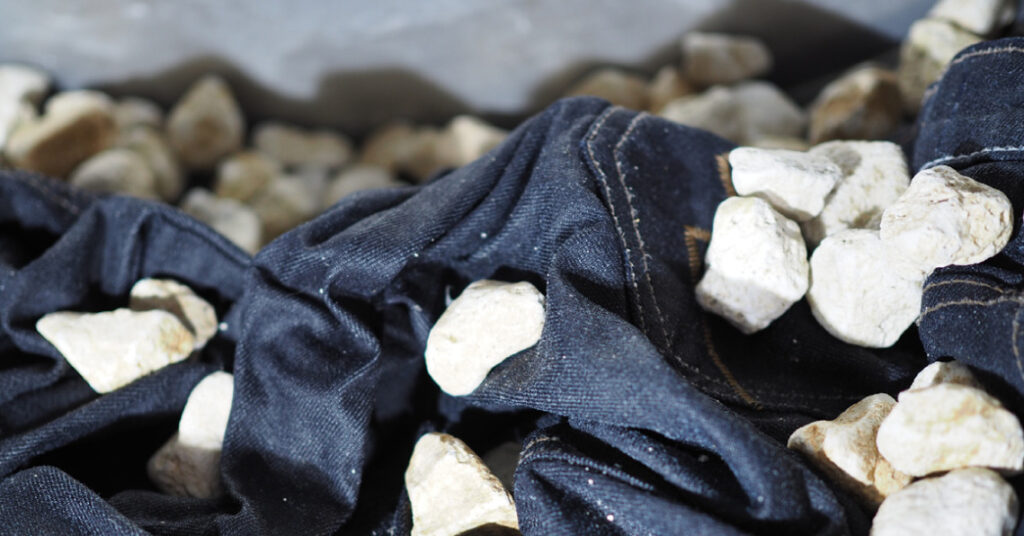
Pumice stone washing has been a staple in denim finishing for decades, but its environmental toll is staggering. Mining pumice involves energy-intensive processes that destroy natural habitats and contribute to significant carbon emissions through extraction and transportation. The stones generate massive amounts of waste—up to 90% more than modern alternatives—clogging effluent treatment plants (ETPs) with sludge and requiring excessive water to rinse away residues. This not only pollutes waterways with chemical-laden effluents but also amplifies water consumption, a critical issue in water-scarce regions where denim production thrives.
From an industry perspective, pumice stones are equally problematic. They cause inconsistent fading, damage washing machines through abrasion, and pose health risks to workers from dust inhalation. Plus, the process demands more chemicals, time, and energy, inflating costs and reducing efficiency. In an era where sustainability is non-negotiable, clinging to this “old mythology” simply doesn’t cut it—it’s inefficient, wasteful, and unsustainable.
The Sustainable Shift: Enzyme-Based Waterless Washing
Enter the future of denim finishing: a sustainable approach using room-temperature neutral enzymes in waterless conditions, boosted by enzyme enhancers. This method eliminates pumice stones entirely, relying instead on biodegradable enzymes to break down indigo dyes and create that coveted distressed look. By operating without water—or drastically reducing it—the process slashes water usage, minimizes waste, and cuts energy needs since it works at ambient temperatures.
The benefits are transformative:
- Environmental Wins: No mining, no sludge, and a positive impact on ecosystems by conserving water and reducing pollution.
- Operational Gains: Saves time with faster cycles, boosts productivity, and preserves fabric strength for longer-lasting garments.
- Cost Efficiency: Lower resource demands mean reduced overheads, making it a smart choice for forward-thinking manufacturers.
This isn’t just theory—enzyme alternatives deliver superior results while aligning with global sustainability goals.
Delta Kimya’s Game-Changer: Delenzim MXL
At the forefront of this innovation is Delta Kimya, a leader in textile chemicals with a DNA rooted in cutting-edge solutions. Their flagship product, Delenzim MXL, is a revolutionary enzyme-plus-enzyme-booster compound designed specifically for denim washing magic. This ready-to-use formula operates in waterless conditions at room temperature, creating high-contrast fades with a stylish grey cast—all without a single pumice stone.
What sets Delenzim MXL apart? It’s a simplified, all-in-one solution that doesn’t require additional boosters, streamlining operations while delivering consistent, premium results. And it’s backed by top-tier certifications: registered in the ZDHC Level 3 Gateway for chemical safety, boasting an excellent EIM score for environmental impact, and GOTS-certified for organic compliance. These credentials ensure it’s not just effective but truly eco-responsible.
Join the Sustainable Denim Revolution
As consumers demand greener fashion and regulations tighten, the denim industry must evolve. Swapping pumice stones for innovative enzymes like Delenzim MXL isn’t just a trend—it’s a necessity for a thriving, planet-friendly future. If you’re in textiles, manufacturing, or sustainability, let’s connect and discuss how these advancements can transform your operations.
By: Tariq Hameed, Global Sales Manager, Delta Kimya